
Dr. Gymbro
←

#placebo effect

2 articles
A landscape editorial photograph in a bright, modern gym studio with soft natural light pouring through tall windows. In the foreground, a matte ceramic cup and a small glass jar of plain white powder sit on a light oak bench, with a wooden scoop resting beside them and a few loose grains dusted across the wood. The jar has no label, which hints at mystery without being heavy-handed. Slightly out of focus behind them, a female athlete in a sage green athletic set stands at a barbell, chalked hands gripping the bar, her expression calm and focused. A male cyclist on a stationary bike is blurred in the far background. The palette is warm neutrals: cream, soft sand, pale oak, muted sage, and a touch of terracotta, with gentle golden-hour highlights and soft shadows. The composition follows the rule of thirds, with the cup and jar in the lower left, the athlete on the right, and open negative space in the upper area for headline text. The depth of field is shallow, with a creamy bokeh background. The mood is contemplative, curious, and trendy, like a contemporary health and science magazine cover. Fine film grain, subtle matte finish, clean minimalist styling, and no text or logos.
science research

La Caffeina Placebo Ha Reso gli Atleti più Forti e Veloci

BY DR. GYMBRO ·

E se parte della spinta pre‑allenamento provenisse dalla tua mente e non dalla dose? Una meta‑analisi del 2026 su 17 studi ha scoperto che, anche credendo di aver assunto caffeina, un placebo migliorava le prestazioni (d = 0,49) in bench press, test di ciclismo a cronometro e sprint ripetuti. L’effetto era più marcato quando i ricercatori erano ciechi e negli studi con una maggiore presenza di donne, sebbene la certezza delle evidenze sia bassa e il rischio di bias alto. Non è un invito a rinunciare alla vera caffeina (3‑6 mg/kg), ma ricorda che le aspettative rappresentano una variabile di performance. Ecco cosa dicono i dati e a chi conviene prestare attenzione.
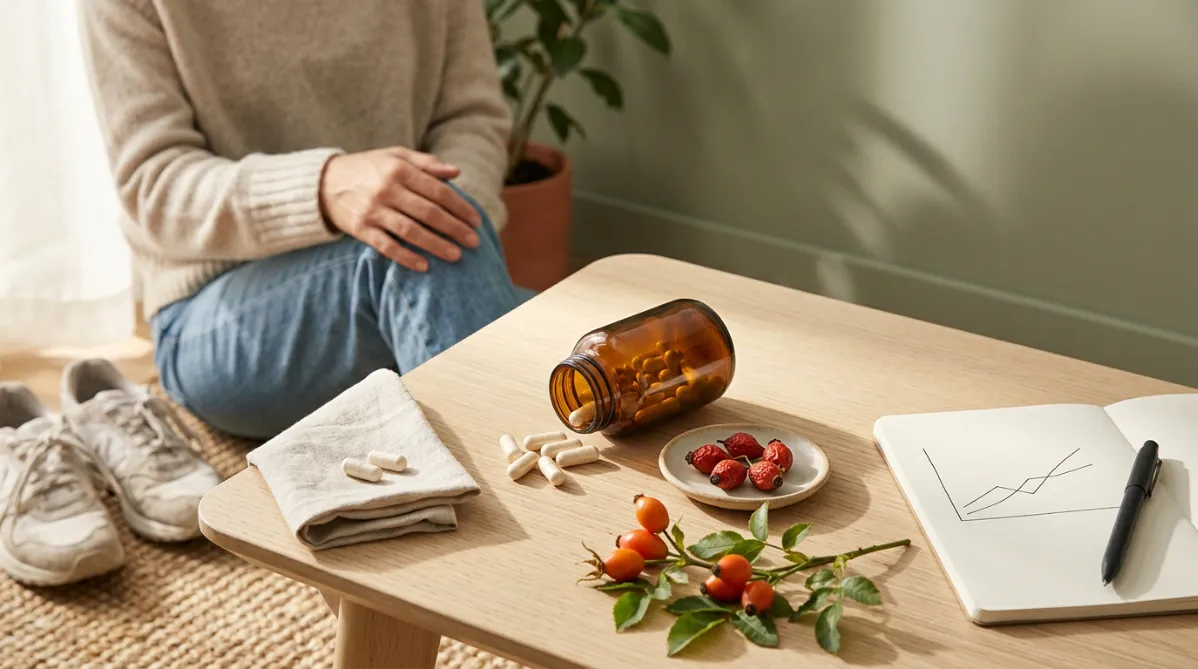
A softly lit editorial still life on a pale oak table, shot from a slightly elevated three-quarter angle in a wide landscape frame. In the center sits an open amber glass supplement bottle on its side, with a small scatter of cream-colored capsules spilling onto the wood. Next to it is a ceramic dish holding a few dried rosehips in deep coral red, and a sprig of fresh rosehip with glossy orange-red berries and green leaves lies across the foreground. On the left, a neat pair of matching white capsules rests on a folded linen napkin, a quiet visual nod to the placebo and treatment groups. Behind them, slightly out of focus, a woman's hands in a soft oatmeal knit sweater rest on a knee in relaxed denim, suggesting everyday movement without showing a face. A pair of worn, clean running shoes sits at the edge of the frame on a woven jute rug. On the right side of the table, a minimalist notebook lies open with a hand-drawn simple line graph, two gently rising lines nearly overlapping, next to a matte black pen. Morning window light streams from the left, casting long, soft shadows and a warm golden glow with gentle highlights on the glass bottle. The background is a muted sage-green wall with a hint of a leafy plant in a terracotta pot, creamy bokeh throughout. The palette is earthy and calm: warm beige, sage, terracotta, coral red, and soft white. The mood is thoughtful, trustworthy, and quietly skeptical, like a modern health and science journal. Clean composition with generous negative space on the upper right for headline overlay. Fine-grain film texture, shallow depth of field, natural color grading, high-end lifestyle magazine photography.
nutrition

Il supplemento per il ginocchio che non ha raggiunto l'obiettivo ma ha comunque suscitato interesse

BY DR. GYMBRO ·

Uno studio randomizzato ha confrontato un integratore di cartilagine di pollo idrolizzata con estratto di rosa canina su 138 adulti attivi; l'endpoint primario è risultato neutro. Sia il gruppo sperimentale sia quello placebo hanno migliorato di oltre due punti su una scala da 0 a 10. Analisi esplorative hanno suggerito benefici per il dolore nelle attività quotidiane, soprattutto nelle donne in postmenopausa, ma provengono da piccoli sottogruppi e non sono conclusivi. Lo studio è stato redatto da dipendenti delle aziende produttrici. Ecco cosa mostrano i dati, cosa non mostrano e come valutare l’uso di questo integratore.

This page is available in